In my previous article, I talked about a few different cryptocurrency scams that are happening today and even a few that I’ve fallen for. I talked about Impersonator scams, Sim-swapping scams, what is known as rug pull scams, and even touched back up on Pig Butchering scams again.
I did mention a few that affected me that range from Sim-swapping to a couple of Rug-Pulls. I did lose money in each of those cases, but the Sim-swapping was the most costly one because I did end up losing cryptocurrency at a cryptocurrency exchange site that was worth over $1,000 at the time. You can read more about those by clicking the link up above.
Well today I’m going to be talking about another scam that is rapidly on the rise and fooling people quite well and has affected some of my bank’s customers as well as having attempts on me to try and get me to fall for them. I’m seeing a lot more news stories and videos of this happening and so I want to warn as many people as possible so that others avoid becoming a victim of them.
Bank Spoof Calls
As you can see by the heading up above, this rapidly growing scam is when scammers are able to spoof your bank and they can do that several different ways. They will try by email claiming that it is your official institution contacting you, by text message, and the most concerning one of them all, by a phone call.
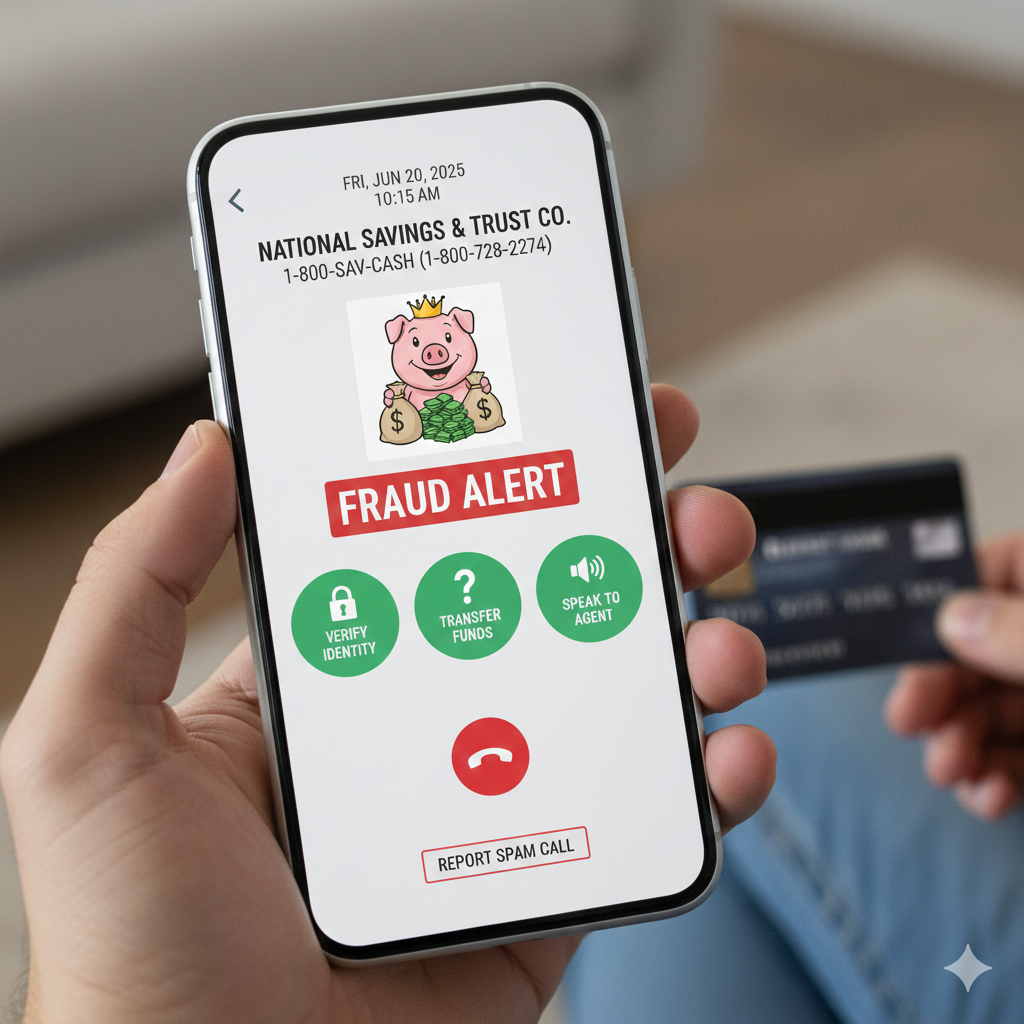
You might be wondering how they can mimic your bank by calling you. Unfortunately, there is technology readily availble where scammers can make it look like the bank is really calling you by making it look like one of their actual numbers. A growing number of people are falling for this type of scam because of the number looking like their institution is really calling them.
I watched a recent video from YouTube where a bank customer of Chase Bank received a text that was legitimately from the instituion asking if an attempted wire transfer of over $4,000 was from him. He called his business partners to see if they had attempted something like this and they all said no. He then responded to the text by saying no and then he received a reply that the fraud team would contact him shortly.
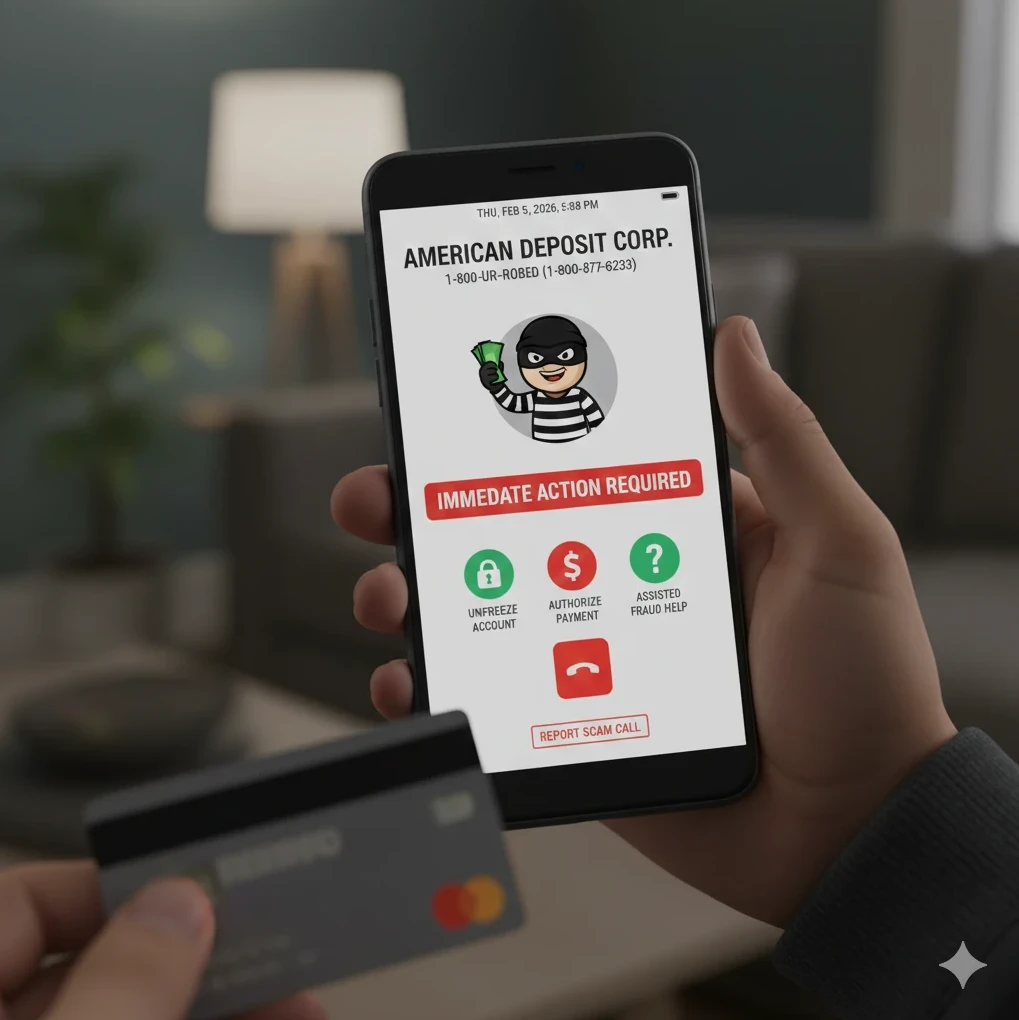
After over 30 seconds, he did receive a call that said it was from Chase bank. They verified his accounts and what was in them and so he thought it was legitmately Chase Bank. He paused the call and called Chase from another number and the representative he talked to said they cannot see the current conversation that is happening which he thought was odd. He thought it was internal communications problems.
He went back to the other call and said they needed to verify things and so they were going to send him a one time passcode which he received and read back to the person on the phone. The person said that is all they needed and that everything was good now. Sadly, though, things would not be fine and this person ended up losing over $100,000 days later through wire transfers that he did not authorize. As of this time, the funds have not been recovered. Who he was actually speaking to on the phone were sophisticated scammers and reading that passcode out loud back to them is what gave them access to wire the money out of his bank account. So what can be done to avoid situations such as this? I’ll talk about that next.
Receiving A Call From Your Institution
If you get a call and see that it appears to be from your institution, you can do one of two things. You can answer it and see if it’s really them, or you can ignore it and call a well known and trusted number yourself or drive to your nearest branch. Doing the latter is much better. So what do you do if you decide to answer?
Just be very careful and look for these red flags during the call. First of all, if they say they need you to confirm your full account number, debit card number, social security number or even receive a one time pass code that needs to be read back to them, HANG UP IMMEDIATELY!!! Your institution will never ask these things as it is all on file. There are other protocols that can be used to verify your identity.
The one thing about the passcode though is that the scammers need that to get full authorization to your account(s) and so they already have some level of access to see what’s there, they just can’t get in fully so that’s why they want you to read back the passcode that is sent. You don’t ever want to do that because they’ll gain full access and your money will be gone.
If you ever receive a phone call that appears from your bank and you’re unsure if it is legitimate or not, either don’t answer it or if you do answer it, you can definitely hang up. You can then call a trusted or known phone number to your local branch or call the number on the back of your debit card. Honestly, I prefer visiting your nearest branch in person so that you know the tellers and manager there will definitely ensure whether your account is in order or if there’s really an issue. One thing your institution will never do is tell you to take the money out of your account, wire it somewhere else, or bring it to an Bitcoin ATM. Never ever give out the full account number or debit card number. If there is a problem with your account, the institution will simply close the account, open a new one, and move the money over with a completely new account number as well as debit card. The money will never leave the bank.
Have I Seen Bank Spoofing as a Teller?
The answer to the question above is yes and even I had an attempted bank spoof as well, mostly over text message rather than a phone call. The funny thing is, the text messages I received supposedly came from Institutions I no longer have an account with. I immediately knew they were bank spoofing texts and immediately deleted those texts. One of them I used to have a car loan with and a brief savings account and the other one used to be my main checking account institution for a long time until I moved it over to the institution that I work at.
I never clicked any links in these texts or called any numbers because I knew they would lead directly to scammers. I will say though that there are customers who have had attempted bank spoofs themselves and thankfully, they’ve done the right thing and have either called my local branch and asked about a call they received that claimed be from the bank, or they’ve personally come in and asked about the same thing.
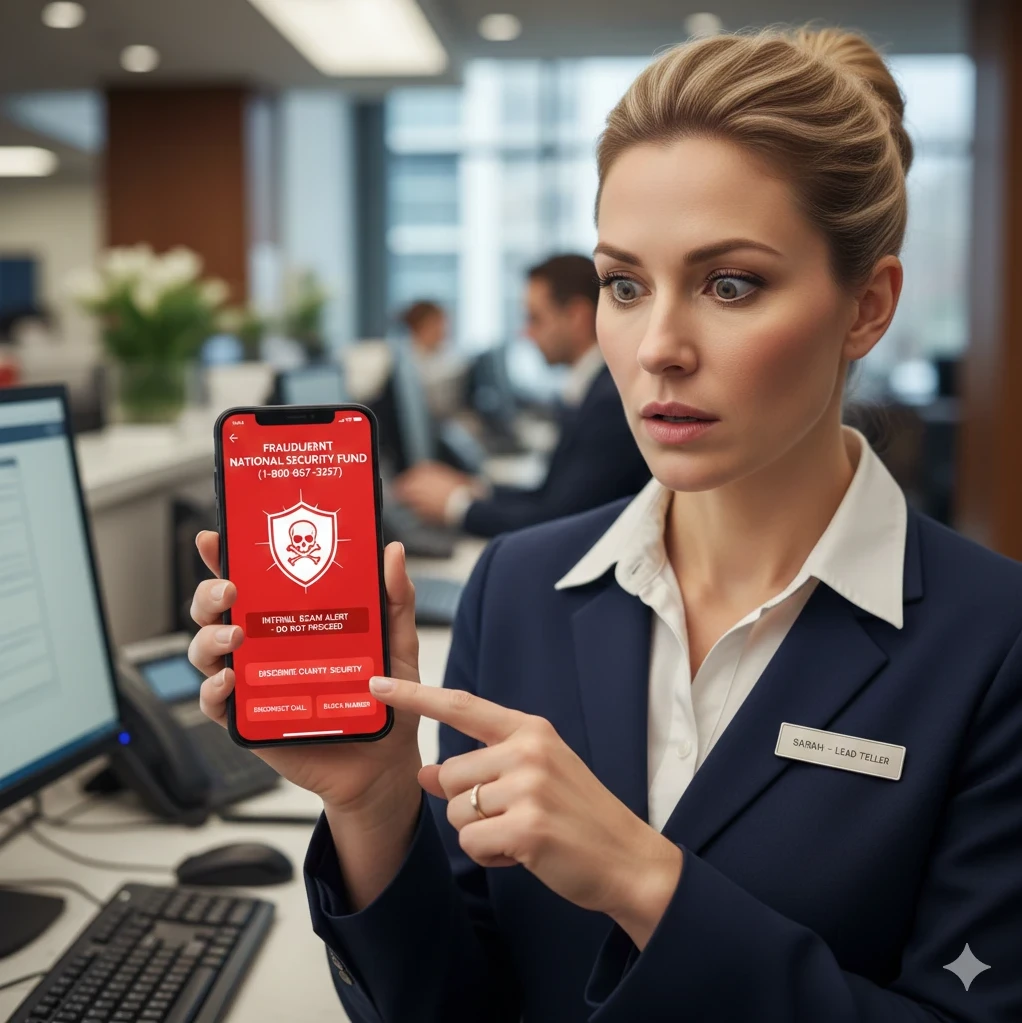
I always tell them that they’ve done the right thing and proceed to check their account to make sure everything is in order or if there truly is an issue with their account. Now sometimes, the call or text they receive is truly legitimate and there is an issue. I’ve somtimes have had to say that yes, there was an attempted charge on their debit card that my bank’s fraud department flagged it as unusual and so the debit card is temporarily blocked. I then ask the customer if they attempted to make a purchase for the flagged amount and they’ll either say yes or no.
If they say no, I’ll make sure the debit card is fully shut down and then we’ll order them a brand new debit card. There’s no other information that they need to provide in order for that to happen. Now if they say yes, the charge was legitimate, I either contact our card department and let them know that it was really the customer trying to make a purchase, but if they are not there in person, I’ll transfer them to our card department as they just want to ensure it really is them making a purchase before unblocking the card.
Now that I’ve talked about and listed ways on how to identify bank spoof calls, you now know what to do and the red flags to look for if you potentially receive a call that looks like a legitimate number from your institution. If you engage with the person over the phone they will try to get you to act in a fast manner as to not get you to stop and think about the whole situation. Do not let them do that. Just hang up and ignore the repeated calls and again, call the number on the back of your card or another trusted number from your institution. Below is a YouTube video of what happened to a Chase Bank customer that received a bank spoofing call.